
TL;DR:
If you want to know how to get SEO clients in 2026, focus on building a repeatable system. Strong SEO client acquisition includes:
- Building tightly defined prospect lists and running segmented outbound campaigns with Snov.io outreach automation platform.
- Creating service pages and case studies that answer “why you” with clear results
- Publishing blog content around high-intent queries like pricing, audits, and migration helps
- Using LinkedIn for authority posts and direct outreach to marketing leaders
- Running focused webinars on problems like traffic drops or ranking stagnation
When these work together, SEO client acquisition becomes way more predictable.
Most buyers research solutions before they ever talk to anyone in sales. That means demand exists long before a conversation starts. If your agency isn’t visible during that research phase, someone else’s will be.
The agencies that consistently get SEO clients don’t wait to be discovered by chance. Here is how to make sure yours is one of them.
Outline:
How to get SEO clients with outbound strategies
Waiting for clients to find you is a slow game. Outbound puts you in control, and cold email is one of the most cost-effective ways to do it. Why? According to Statista, few channels come close to its average return on investment.
So cold email scales without a big budget. But sending the same pitch to thousands of contacts will likely only generate spam complaints. What actually has a far better chance of working is a targeted approach built around these 3 things:
- Knowing exactly who you’re reaching
- Writing messages that feel relevant to that specific person
- Following up in a way that adds value
From all the tools I’ve tested, Snov.io is built for this kind of outreach:
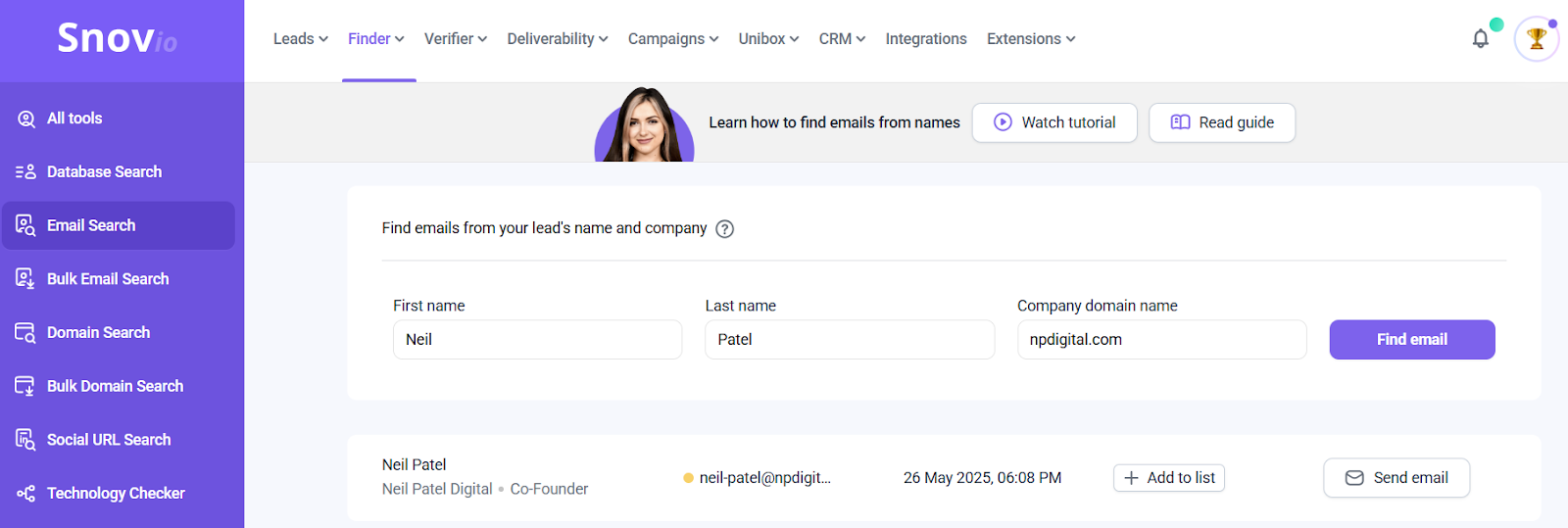
Email Finder helps locate verified prospect addresses using names, company domains, or LinkedIn profiles.
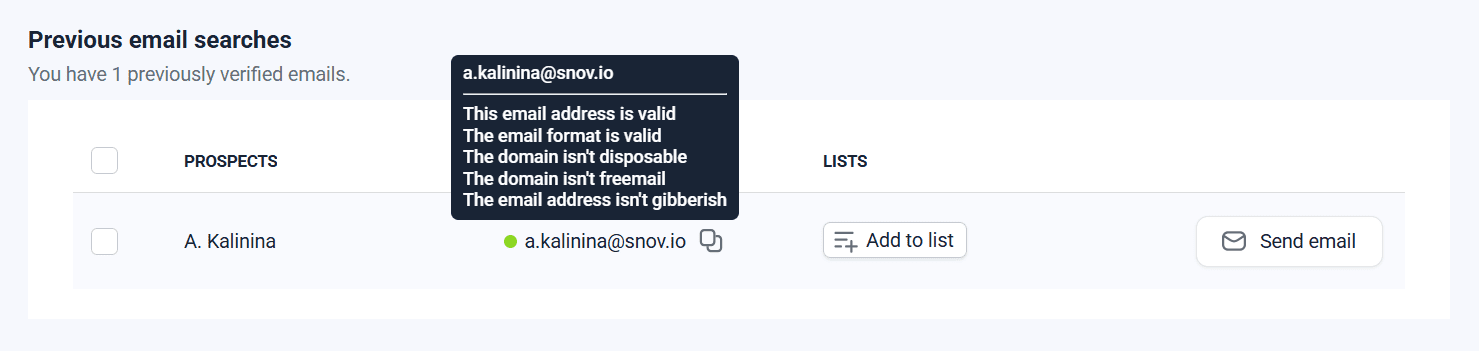
Email Verifier then cleans your list before sending, helping protect your sender reputation.
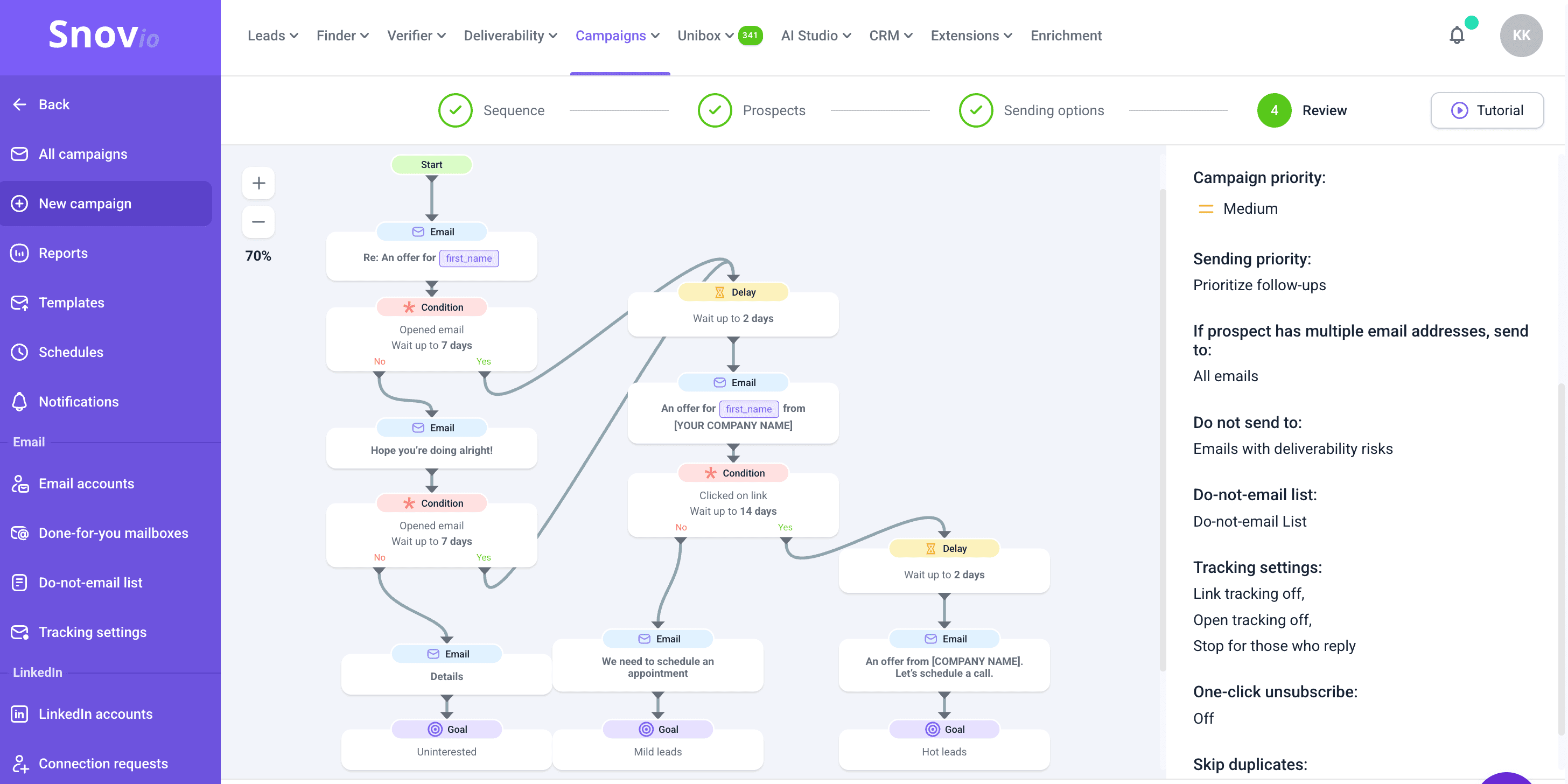
After that, the Snov.io outreach automation tool manages your sequences and tracks prospect engagement.
Intrigued? Let’s take a closer look at the key aspects of successful SEO client acquisition with cold email.


Start your campaigns now with Snov.io outreach automation platform. Our users saw up to 110% revenue growth.

Build targeted SEO prospect lists
The quality of your list determines everything downstream. A poorly targeted one means low reply rates, no matter how good your copy is.
Before you start finding emails, get clear on your Ideal Customer Profile (ICP). Think about who actually benefits most from SEO, not just who could theoretically use it. Those are the people who feel the pain of bad SEO most acutely, and they’re the ones most likely to respond to a well-timed outreach.
Once you know the type of company, get specific:
- Company size tells you whether you’re talking to a founder who wears every hat or a marketing team with a dedicated budget
- Industry shapes the entire conversation, because an SEO pitch for a law firm sounds completely different from one for a B2B software company
- Revenue and growth stage help you identify companies that are actually in a position to invest in SEO right now
- Job title and seniority tell you whether you’re reaching the decision-maker or someone who needs to bring it up with their boss
- Location matters if you specialize in local SEO or prefer working within certain markets
When you define these factors clearly, your outreach becomes far more relevant.
💡Expert tip
If you’re not sure who your ideal customer is, Snov.io’s AI Buyer Persona Generator can help.
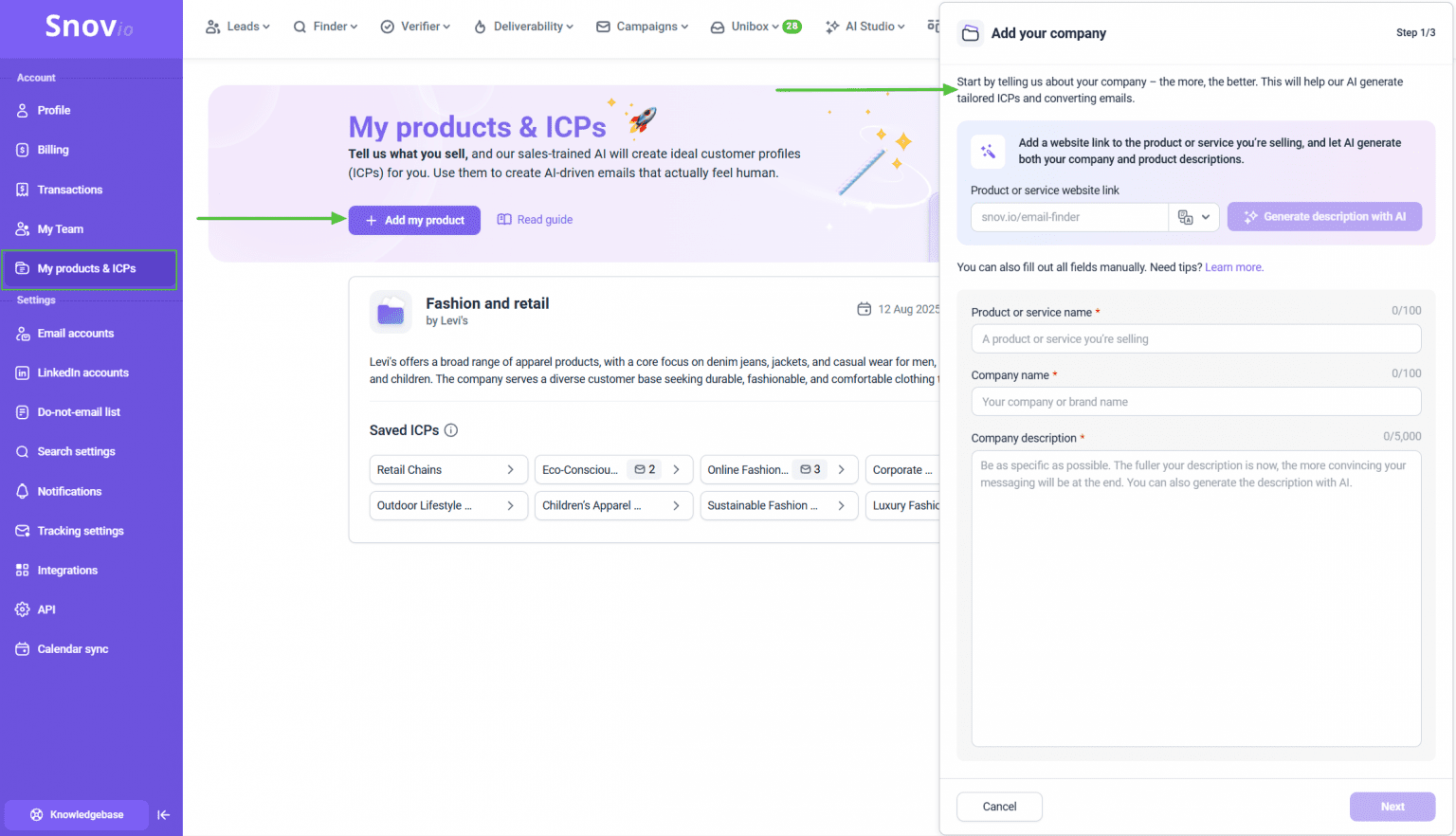
It generates your ICP from your service description and surfaces the buyer types most likely to convert. So you’re not left guessing.
Write SEO cold emails that get replies
Most cold emails fail because they’re about the sender, not the recipient. “We’re an award-winning SEO agency with 10 years of experience” is not a good enough reason for someone to keep reading.
Open with a detail that shows you’ve done your research. Examples include:
- A keyword they’re losing ground on.
- A competitor that recently outranked them for a term they used to own.
- A piece of content they published that’s almost ranking but not quite.
This kind of observation takes 5 minutes of research, but immediately signals that you’re not just running mass campaigns. Personalization at this level is key.
Once you have their attention, back your offer with proof. SEO is an industry full of big promises and disappointing results, so skepticism is inevitable. Short, specific case studies do more work than any amount of positioning language. Something like “we helped a similar company grow organic traffic by 140% in eight months” gives prospects something concrete to hold onto.
For follow-up emails, keep it simple. Send 2-3 at most, spaced 3-5 business days apart. Each one should include something useful, whether that’s a relevant insight, a quick audit observation, or a resource tied to something they’re working on. If there’s still no reply after that, move on. The prospects worth your time are those who’ve already shown some interest.
How to get SEO clients with inbound marketing
Outbound gets you in front of people, while unbound makes people come to you. For an SEO agency, those are two very different dynamics. Building an inbound engine matters because you’re using the exact same skills you sell to run it. That kind of proof is hard to fake.
Make your website do the selling for you
Google gets over 90 billion visits a month. Some of those people are actively looking for SEO support. Whether your site captures them or sends them somewhere else comes down to one thing: clarity.
Don’t spend too much time talking about your agency; visitors don’t care yet. They’re asking 3 questions the moment they land: do you understand what I’m dealing with, have you fixed it before, and what do I do next? If your site can’t answer those quickly and confidently, people leave.
Your services pages need a single, clear purpose. Not lists of everything you’ve ever done, not walls of jargon. Just specific messaging, a clean layout, and an obvious next step. If someone lands on your page and can’t tell within seconds who you work with and what you actually do for them, you’ve already lost them.
Case studies are the most convincing thing you can publish. Show the situation, what you did, and what changed. Concrete numbers carry the story better than any promise you could make.
A blog builds trust over time, but only if you write about what your ideal clients are already searching for. Answer those questions honestly, and you keep attracting the right people long after you hit publish.
Use YouTube to build trust before anyone contacts you
People now spend over 27 hours per month on YouTube’s mobile app alone, and much of that time goes toward research. Your potential clients are already there, watching videos about the exact problems your agency solves.
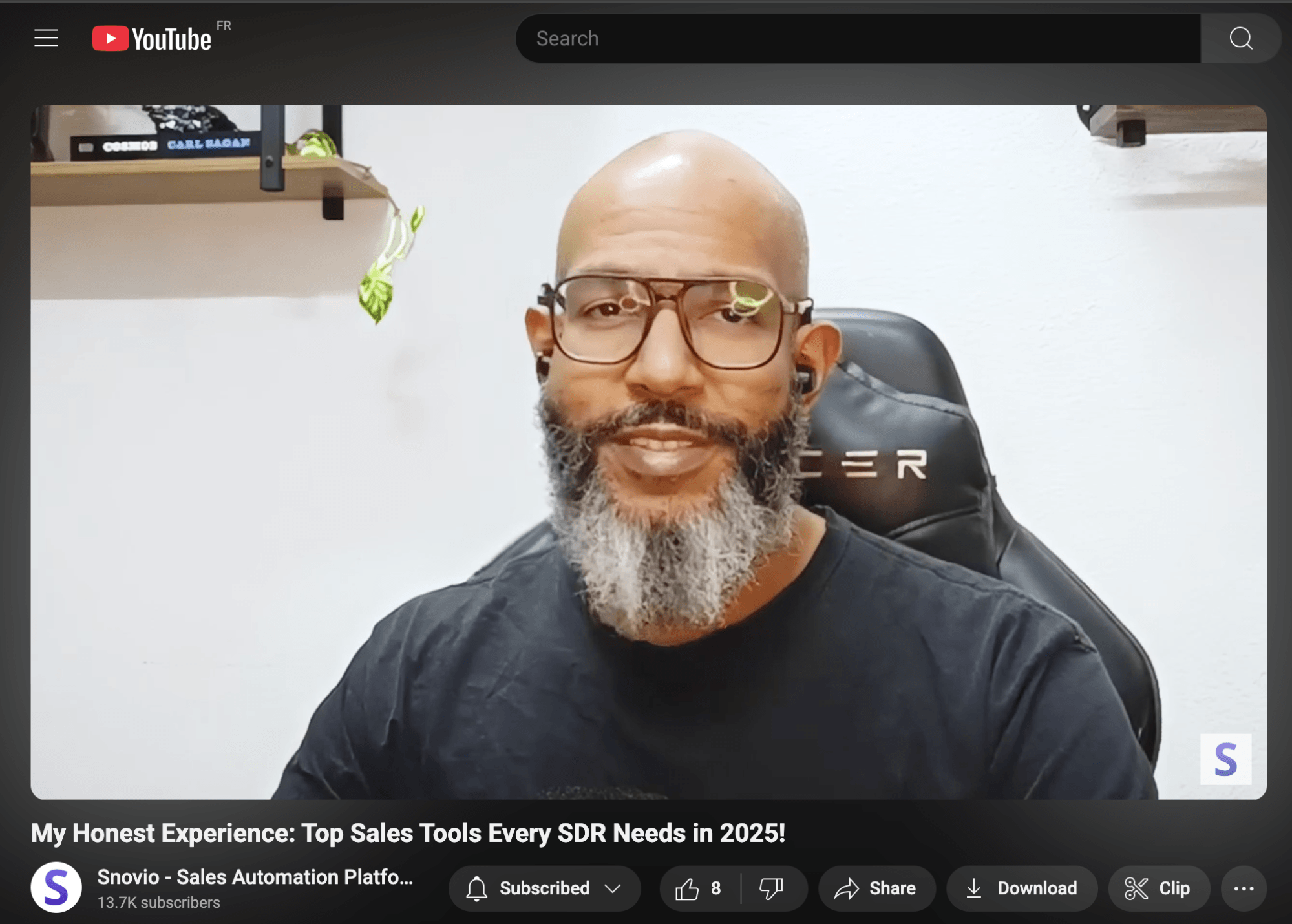
Videos between 5 and 20 minutes tend to do the most to build trust. Because when someone chooses to spend that long watching you explain something, they come away feeling like they actually know you. By the time they book a call, they’re often already leaning toward working with you.
The content that works isn’t about showcasing your agency. It’s about being genuinely useful to the kind of client you want to attract:
- Walk through a real audit.
- Explain why a site lost traffic after a Google update.
- Show what solid content strategies actually look like.
Those are the videos that get watched by people actively looking for help.
Another thing worth knowing: videos don’t have to stay on YouTube. You can reuse them across different channels, embedding them in articles, sharing clips on social platforms, or including them in outreach. It demonstrates expertise in a way that written words alone rarely do.
Run webinars for prospects who are ready to buy
People who register for live sessions and actually show up are very different prospects from those who click an ad. They’ve already committed time and attention, which usually means they’re in research or decision mode rather than just browsing.
That said, the topic has to earn their attendance. A session that teaches something specific and solves real problems will draw an engaged audience. One that’s really just a pitch dressed up as a webinar will not. People know the difference immediately.
During the session, make it a conversation. Ask questions, run polls, leave room for people to share what they’re actually dealing with. You’ll learn more about what your audience cares about in one live session than in weeks of guessing.
|
💡Expert tip Use the registration form to collect names and emails, then follow up after the session with something useful that builds on what you covered. Set up automated follow-up sequences with Snov.io so good leads don’t go cold just because life got busy. Running these consistently matters more than making them polished. One webinar can generate leads. Running them consistently helps build familiarity, making your agency the clear choice when prospects are ready to take action. |
Make LinkedIn work for you
LinkedIn is the one platform where professional intent is the default. People there are thinking about their business, their growth, and their problems. That encourages greater engagement with relevant content and meaningful conversations than on any other platform.
For SEO agencies targeting B2B clients, that’s a genuine advantage. But it only pays off if you show up consistently and with intention.
Your profile is the first thing people check after seeing your content. It needs to answer 3 questions clearly: who do you help, what do you actually do for them, and what should they do next. Vague headlines or generic summaries waste that moment entirely.
Content is where the compounding happens. The agencies that grow on LinkedIn aren’t necessarily posting the mostl they’re posting things their specific audience finds useful. For example, honest takes on what’s working in SEO right now, breakdowns of real client situations, observations about how search behavior is shifting, etc.
|
💡Expert tip LinkedIn’s prospecting tools are genuinely useful when used effectively:
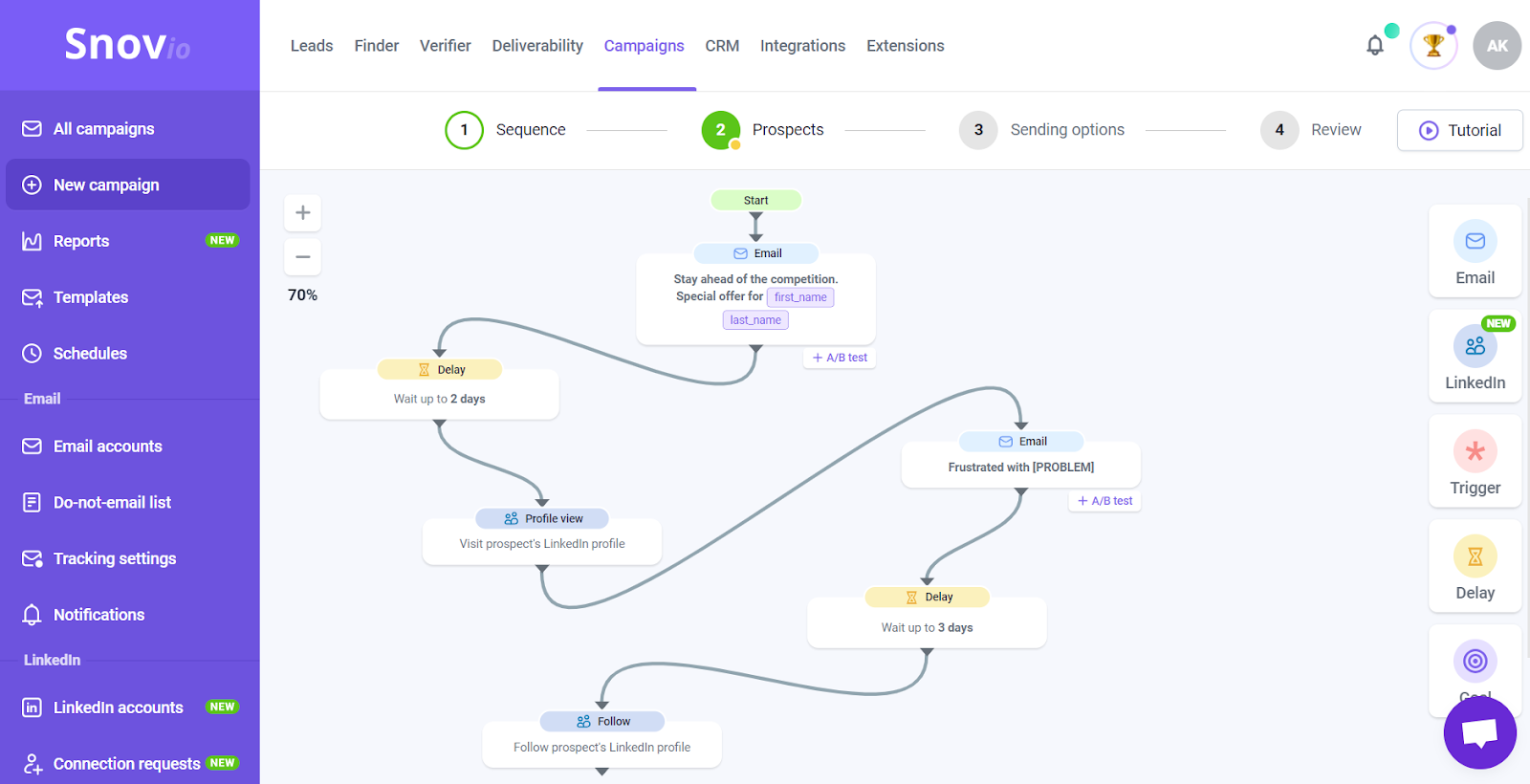
The problem is that managing all of it manually is exhausting. I recommend trying Snov.io LinkedIn automation tool. It handles the repetitive parts, profile visits, connection requests, and follow-ups while keeping interactions feeling human. |
How to qualify SEO clients before pitching?
Stop chasing every lead. Ask these 4 things first:
- Budget and willingness to invest – Make sure they have the resources for SEO services and understand its value.
- Decision-making authority – Confirm you are talking to someone who can approve the project or influence the decision.
- SEO needs and goals – Identify if their website truly has SEO gaps or opportunities, such as declining traffic or weak rankings.
- Timeline and readiness – Check when they plan to start and how urgently they need results.
Offering short audits or performance reviews can also reveal whether the client’s issues align with your expertise. This approach focuses your effort on prospects with the highest chance of converting.
How to get SEO clients through referrals and partnerships
Another fast way to earn a prospect’s trust is to be introduced by someone they already trust. That is the core logic behind referrals and partnerships.
The key is to find businesses that serve the same clients you do, without competing with you. A web design agency, a paid ads consultant, a copywriter, a CRM partner — these are all people whose clients regularly need SEO.
Partnerships with SaaS companies are worth special attention. A marketing platform or analytics tool often has thousands of customers who fit your ICP exactly. When that company recommends your agency to their user base, the introduction carries real weight.
But how to approach it SEO lead generation?
The partnerships that actually generate leads are built around helping, not selling. Show up thinking about what you can offer a partner’s audience rather than what you can get out of it. This way, the conversation goes very differently.
Start with a simple question: who already has the clients’ attention, and I want to work with? Then think about what you could offer that genuinely complements what they do. A joint webinar, a co-written guide, a guest post in their newsletter, etc.
The format matters less than the intent behind it. The goal throughout is to make the partner look good to their audience. If you bring real value to the people they serve, the leads follow naturally.
Scaling SEO client acquisition with automation
At some point, doing everything manually stops being a strategy and starts being a bottleneck. You can only send so many emails, follow up on so many leads, and track so many conversations before client work starts to suffer. The agencies that scale past that point are those that build systems.
Snov.io is built to cover the entire process in one place, from finding the right contacts to sending campaigns to managing what happens after someone replies.
- Finding and verifying contacts
You can search for prospects by domain, company, industry, size, and location. If you have a name and company but no email address, the tool finds it. Every contact goes through automatic verification, so you are not burning your sender reputation by emailing nonexistent addresses.
- Email warm-up.
Before you send a single outreach email from a new domain, that domain needs to build a reputation. Snov.io’s warm-up tool handles this quietly in the background, sending and receiving emails automatically until your account is ready. Skipping this step is one of the most common reasons cold email campaigns land in spam from day one.
- Automated sequences
This is where the real leverage is. You build your campaign once in a visual drag-and-drop builder, set delays between messages, add personalization variables, and define conditions based on how people engage. Someone who opens your email but never replies gets a different follow-up than someone who clicks a link. Once it is set up, it runs on its own.
- CRM and pipeline
Every lead that shows interest needs to go somewhere structured. Snov.io’s built-in CRM lets you move deals through visual pipeline stages, leave notes, assign tasks, and sync with your calendar. It replaces the spreadsheet that most agencies are still using to track their sales process.
- Integrations
Snov.io integrates with over 5000 platforms, so data flows into whatever your team is already using without manual exporting.

Key takeaways
Learning how to get SEO clients in 2026 is less about chasing tactics and more about building systems. Outbound creates control, inbound builds authority, and partnerships accelerate trust.
Together, they replace the cycle of random wins and dry months with something that actually compounds.
Treat SEO lead generation as an ongoing process, nail your targeting and follow-up, and use Snov.io to streamline and scale the parts that would otherwise eat your time.